



Ten days in Georgia in the South Caucasus sounded like plenty of time. We soon found out otherwise. One day we were exploring the old streets of Tbilisi, and before we knew it, we were heading towards the mountains of Kazbegi. The views were worth the journey, but getting from one place to another took longer than we’d expected.
We also had Kutaisi and Batumi on our September 2026 itinerary, which meant quite a bit of time on the road. Looking back, we probably tried to fit too much into one trip. We also wished we’d known a few things before arriving, especially about entry requirements and local transport. In this guide, we’ll share our planned route, estimated costs, and what we’d do differently next time.
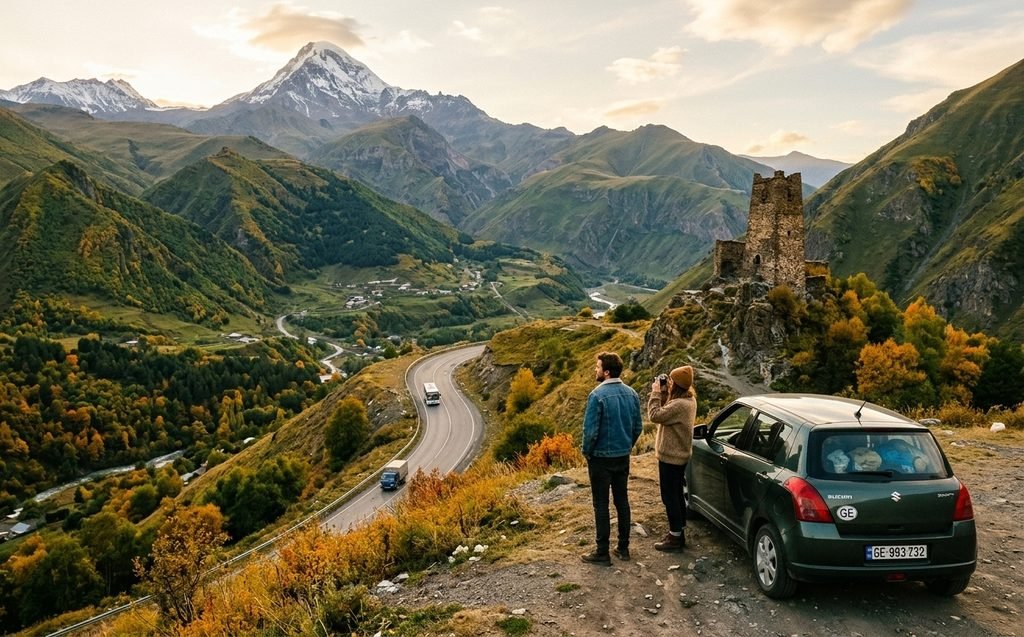
Georgia Travel Guide at a Glance
Georgia is a great choice if you want to explore historic cities and spend time in the mountains without traveling huge distances across the country. Before planning your route, here are a few basics worth knowing.
| Travel Detail | What You Need to Know |
| Capital City | Tbilisi |
| Currency | Georgian lari (GEL) |
| Official Language | Georgian |
| Time Zone | UTC+4 (no daylight saving time) |
| Best Time to Visit | May to June and September to October; summer is better for high-altitude hiking |
| Recommended Trip Length | 7–14 days |
Georgia has something for everyone. If you enjoy exploring old streets and relaxing in small cafés, Tbilisi is a great place to start. For beautiful mountain views, head to the Caucasus Mountains. You can travel between major cities by train or minibus. But if you want to visit smaller towns and places away from the main tourist routes, renting a car can make your trip easier.
Georgia Entry Requirements: What We Actually Experienced in September 2026
Entering Georgia in September 2026 meant having a few key documents ready before you travel. A valid passport was essential, and visa requirements depended on nationality. There was also a newer rule to consider. Since January 2026, tourists have needed health and accident insurance to enter the country.
It’s easy to focus on booking hotels and planning which cities to visit. But immigration paperwork deserves just as much attention. Even travelers who don’t need a visa may be asked to show additional documents at the airport.
What Documents Do You Need to Enter Georgia?
You need a valid passport and a visa if your nationality requires one. Citizens of the US, UK, and many European countries can generally visit Georgia visa-free for up to one year. Other travelers may need to apply for a visa before their trip.
For a September 2026 visit, these were the main documents to prepare:
- Passport and Visa: Check that your passport is valid and confirm whether you need a visa. The official Georgian consular website provides information based on your nationality.
- Travel Insurance: Tourists need health and accident insurance with at least 30,000 GEL in coverage. The policy must cover the entire visit, including arrival and departure dates. You can carry a printed copy or save it on your phone in English or Georgian.
- Hotel and Return Bookings: Border officers may ask where you’re staying and when you plan to leave. Keep your hotel confirmation and return ticket somewhere easy to find.
- Proof of Funds: You may also be asked whether you have enough money for your trip. A bank statement or other suitable financial evidence can help if officers request it.
What Happens at Georgian Immigration?
Immigration checks can be quick, but not everyone has the same experience. Some visitors only need to show their passports, while others are asked about their travel plans.
You might be asked how long you’re staying or which cities you’re visiting. Officers can also request supporting documents before allowing you to enter.
One useful tip is to save your bookings and insurance documents offline before leaving home. You don’t want to rely on airport Wi-Fi when an officer is waiting for you to find a document.
Do Airlines Check Travel Insurance Before Flying to Georgia?
Airlines may ask to see your travel insurance before you board a flight to Georgia. The insurance rule was already in place by September 2026, so travelers needed to prepare for it before departure.
A digital copy is acceptable under Georgia’s rules but keeping a printed backup is still a sensible idea. It takes very little space in your bag and saves you from searching through emails at the check-in counter.
Our Experience at Georgian Immigration
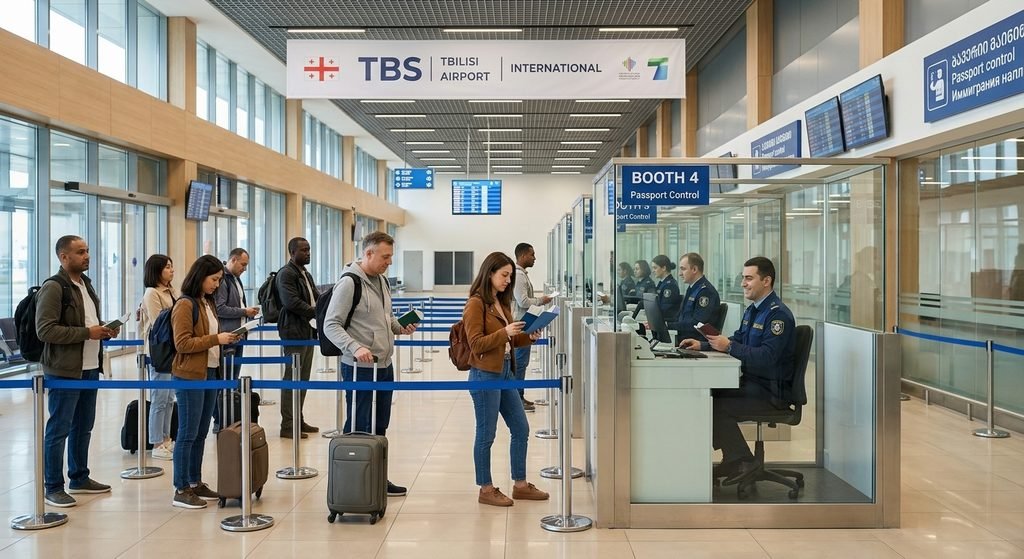
We arrived at Tbilisi International Airport on September 12. After getting off the plane, we headed towards passport control, where we expected to show our travel documents.
We had our passports, hotel booking, return tickets and travel insurance ready. The questions we prepared for were fairly simple: Why are you visiting Georgia? How long are you staying? And where will you be staying?
We allowed around 20–30 minutes for immigration, although the wait could be longer if several flights arrived together. We also kept copies of our documents saved offline, just in case the airport internet wasn’t working.
The biggest lesson from planning this part of the trip was simple. Keep your paperwork somewhere easy to reach. Searching through emails at the immigration counter is the last thing you want to do after a long flight.
Best Time to Visit Georgia
The best time to visit Georgia is May to June or September to October. The weather is usually pleasant for exploring Tbilisi, visiting vineyards, and enjoying the countryside. However, the best month depends on what you want to do.
- City Sightseeing and Wine Tours (May–June, September–October): Temperatures are generally comfortable, around 20°C–26°C in Tbilisi. September and October are also great for the grape harvest in Kakheti.
- Mountain Hiking (July–September): Summer is the best time to explore mountain areas like Kazbegi, Svaneti, and Tusheti, when most hiking trails are snow-free.
- Beach Holidays (July–August): These are the warmest months to visit Batumi and enjoy the Black Sea coast. Expect some humidity and busy beaches.
- Skiing (December–March): Winter brings snow to mountain resorts like Gudauri and Bakuriani. January and February usually offer the best skiing conditions.
Our tip: We chose September for our Georgia trip because it offered a good mix of comfortable city weather and mountain sightseeing. It’s a good month if you want to explore several parts of the country in one trip.
7-Day Georgia Itinerary: Our Suggested Route
Seven days in Georgia is enough to explore Tbilisi, visit the Caucasus Mountains, and spend some time in Kakheti’s wine country. You’ll still need to plan your route carefully. Some places look close on the map, but mountain roads can take longer than expected.
For a first trip, we’d suggest keeping Tbilisi as your main base and spending one night in Kazbegi.
Our suggested route: Tbilisi → Mtskheta → Kazbegi → Kakheti → Tbilisi
Our Day-by-Day Georgia Travel Plan
- Day 1 – Arrive in Tbilisi: Don’t plan too much for your first day. Check into your hotel, walk around the Old Town, and grab something to eat. Khinkali is worth trying if you haven’t had Georgian food before.
- Day 2 – Explore Tbilisi: Start near the Mother of Georgia statue for beautiful city views. Narikala Fortress is still closed for restoration, but you can enjoy the views from the nearby ridge. After that, walk through the Old Town and visit the famous sulfur bath district. Take the cable car uphill if you don’t feel like walking.
- Day 3 – Take a Day Trip to Mtskheta: Mtskheta is close enough to Tbilisi for an easy day trip. Visit Jvari Monastery and Svetitskhoveli Cathedral. You can head back to the capital before dinner.
- Day 4 – Drive to Kazbegi: This is one journey you shouldn’t rush. The Georgian Military Highway passes Zhinvali Reservoir and Ananuri Fortress, with mountain views along the way. Spend the night in Stepantsminda so you don’t have to drive back the same day.
- Day 5 – Visit Gergeti Trinity Church: Wake up early and check the weather. You can hike to Gergeti Trinity Church or arrange a ride up the mountain. If the sky is clear, you’ll get wonderful views of Mount Kazbek. Return to Tbilisi later in the day.
- Day 6 – Discover Kakheti: Head east to Georgia’s wine region. Sighnaghi is a lovely place to walk around, while Telavi is another good option for visiting wineries. Try the local wine and learn about traditional qvevri winemaking before returning to Tbilisi.
- Day 7 – Head Home: Keep your last morning free. You might want to buy a few souvenirs or enjoy one more Georgian breakfast. Leave enough time to reach Tbilisi International Airport.
How to Get Around Georgia?
Shared minibusses known as marshrutkas are one of the cheaper ways to travel around Georgia. Trains also connect several major cities, although they won’t take you everywhere on this route.
For Kazbegi, we’d choose a private driver if the budget allows. You’ll have more freedom to stop for photos, and you won’t have to worry about missing places along the Georgian Military Highway.
What If You Have More Than Seven Days?
With 10 to 14 days, you can explore more of Georgia without spending every other day packing your bags.
Kutaisi is a good next stop, especially if you want to visit Martvili Canyon. You could also head to Batumi for some time by the Black Sea.
If mountains are your main reason for visiting, consider Mestia and Ushguli in Svaneti. Just remember that it takes time to get there, and road conditions can affect your plans.
You can also use Tbilisi as a starting point for a longer Caucasus trip into Armenia.
A useful tip: Before finalizing your route, check Georgia’s entry and travel insurance requirements. Since January 2026, tourists must carry health and accident insurance with at least 30,000 GEL in coverage for their stay.
How We Traveled Between Destinations
We used trains for longer journeys and shared minibusses or taxis for shorter trips around Georgia. Most routes were easy enough to figure out, although getting from one region to another sometimes meant traveling back through Tbilisi.
Here’s how we managed transport during our trip.
- Around Tbilisi: We mostly relied on the metro and Bolt taxis. The metro costs around 1 GEL per ride and works well for getting across the city. Bolt was handy for places that weren’t close to a metro station.
- Tbilisi to Kazbegi: Marshrutkas leave from Didube Bus Terminal and cost about 20 GEL per person. The drive takes roughly 2.5 to 3.5 hours, though mountain traffic can make it longer. Don’t expect the minibus to stop at every viewpoint.
- Tbilisi to Kakheti: We used the shared minibus route towards Sighnaghi. It takes around 2 to 2.5 hours from Navtlughi Terminal, and fares are around 15 GEL. Departure and arrival times aren’t always predictable, so it’s better to keep your afternoon flexible.
- Tbilisi to Batumi: The train was our preferred option for this journey. It takes around four hours, and second-class tickets usually start at 30–36 GEL. Booking ahead is sensible during the summer months.
- Tbilisi to Mestia: This is a long journey. You can take a direct marshrutka or travel through Zugdidi and continue by minibus. Allow at least 9 to 10 hours, with extra time if the mountain roads are busy or the weather turns.
How Many Days Do You Need in Georgia?
Seven to ten days is a good starting point for a first visit to Georgia. You can see quite a lot in a week, but a few extra days make a difference when you’re traveling between the mountains and the coast.
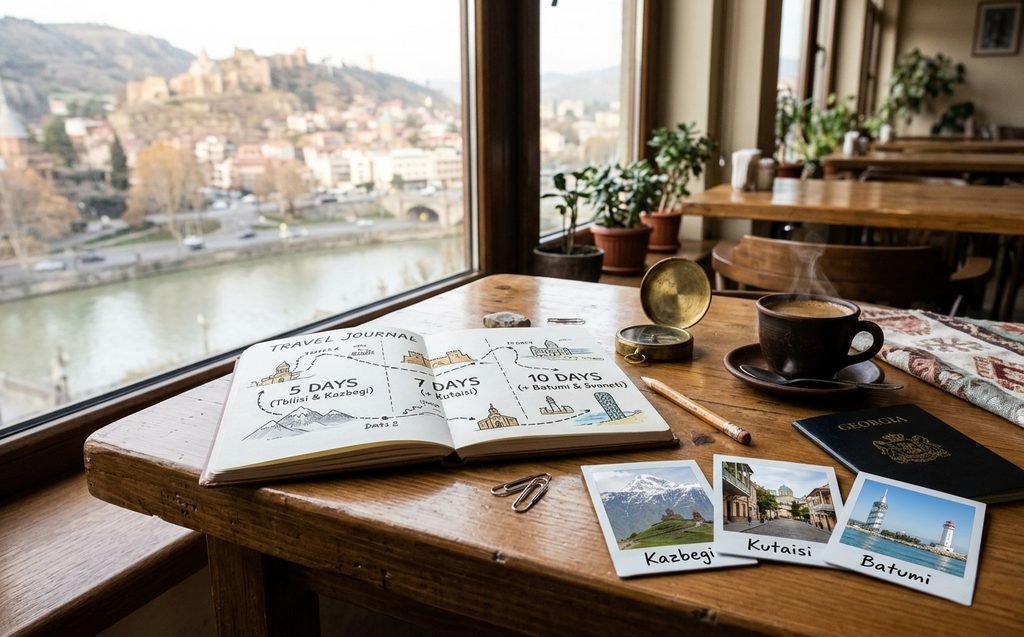
- 5 Days: Keep things simple. Explore Tbilisi and take a day trip to Mtskheta or Kakheti. You could also spend a night in Kazbegi, but trying to reach western Georgia would make the trip feel rushed.
- 7 Days: A week gives you time for Tbilisi, Kazbegi, and Kakheti. You’ll see the mountains and get a taste of Georgian wine country without changing hotels every day.
- 10 Days: This is a better choice if you want to travel beyond eastern Georgia. You could add Kutaisi and Batumi or use the extra days to explore Svaneti. Just remember that Mestia is a long way from Tbilisi.
- 14 Days: Two weeks lets you cover more ground without packing too much into each day. You can visit eastern Georgia before heading west, with a few quieter days between the longer drives.
What Would We Change About Our Georgia Route?
We’d plan fewer stops next time. Our route looked manageable on the map, but we hadn’t allowed enough time for long drives and unexpected delays. Some of our favorite places deserved more than a quick overnight stay.
We’d avoid returning to Tbilisi so often
Many transport routes run through the capital, which meant we spent more time changing buses than we expected. Planning overnight stops between regions would have saved us some unnecessary travel.
We’d stay longer in the mountains
Getting to Mestia takes most of a day, and poor weather can hide the views you’ve traveled so far to see. Two or three nights would give us a better chance to explore without watching the clock.
We’d use a private driver for certain journeys
Marshrutkas are affordable, but they’re not ideal when you want to stop along the Georgian Military Highway. The same goes for Kakheti, where visiting several wineries by public transport can be difficult.
We’d leave some mornings completely unplanned
Not every day needs another attraction. We’d happily spend an extra morning in Sighnaghi or wander around a quieter part of Tbilisi rather than rush off to the next destination.
Best Places to Visit in Georgia
Georgia has plenty to explore, from Tbilisi’s old streets to mountain villages in the Caucasus. If it’s your first visit, we’d suggest starting with Tbilisi and Kazbegi before heading to the wine region of Kakheti. With more time, you can also explore western Georgia.
Cities and Historic Places
- Tbilisi: Walk through the Old Town to see its narrow streets and old houses with wooden balconies. Take the cable car up to the Mother of Georgia statue for great city views. Narikala Fortress is closed for restoration, but the nearby viewpoints are still open. You can also visit the famous sulfur baths in Abanotubani.
- Mtskheta: This former capital is a short trip from Tbilisi. Visit Svetitskhoveli Cathedral and Jvari Monastery, which sits on a hill overlooking two rivers. It’s a good choice if you enjoy history.
- Kutaisi: Kutaisi is a useful base for exploring western Georgia. Visit Bagrati Cathedral and Gelati Monastery, or spend some time walking around the city before heading to nearby natural attractions.
- Batumi: Head to Batumi if you want to spend time by the Black Sea. Walk along the seaside promenade or visit the Botanical Garden. The city also has plenty of cafés where you can sit and enjoy the coastal atmosphere.
Mountains and Hiking
- Kazbegi (Stepantsminda): Kazbegi is one of the best places to enjoy Georgia’s mountain scenery. The drive along the Georgian Military Highway is part of the experience. Once there, visit Gergeti Trinity Church for views of Mount Kazbek.
- Svaneti: Svaneti is worth visiting if you love hiking and quiet mountain villages. Mestia is a good starting point, while Ushguli is known for its old stone towers. Allow a few days here because reaching the region takes time.
Wine Regions and Cave Monasteries
- Kakheti: Kakheti is Georgia’s main wine region. Visit family wineries, try wine made in traditional clay vessels called qvevri, and explore the hilltop town of Sighnaghi. September and October are especially popular because of the grape harvest.
- Vardzia: Vardzia is a huge cave monastery built into a cliff in southern Georgia. You can walk through its old rooms and passageways, which date back to the 12th century. It’s quite different from the churches and monasteries you’ll see elsewhere in the country.
How Much Time Should You Spend at Each Place?
| Destination | Suggested Time | Main Attractions |
| Tbilisi | 2–3 days | Old Town, Narikala Fortress, sulfur baths |
| Mtskheta | Half day | Jvari Monastery, Svetitskhoveli Cathedral |
| Kazbegi | 1–2 days | Gergeti Trinity Church, mountain views |
| Kakheti | 1–2 days | Sighnaghi, wineries, grape harvest |
| Svaneti | 3–4 days | Mestia, Ushguli, mountain hiking |
| Kutaisi & Batumi | 2–4 days | Gelati Monastery, Black Sea coast |
These are suggested stays not travel times. You may need extra days if you’re traveling between distant regions.
Georgia Entry Rules and Travel Tips for 2026
Before traveling to Georgia, check the visa rules for your passport and make sure you have valid travel insurance. Entry requirements can differ by nationality.
- Travel Insurance: Since January 1, 2026, tourists must have health and accident insurance that covers their entire stay. The minimum coverage is 30,000 GEL. Keep a copy in English or Georgian, either printed or saved on your phone.
- Visa Requirements: Travelers from many countries can visit Georgia without a visa for up to one year. Others may need an e-visa or qualify through an existing foreign visa or residence permit. Check the official Georgian visa requirements before booking your trip.
- Getting Around Safely: Trains and marshrutkas are useful for longer journeys, while Bolt taxis work well in cities. Mountain roads can be difficult in winter, so avoid driving after dark when conditions are poor.
- Areas to Avoid: Don’t travel to Abkhazia or South Ossetia. It’s also best to stay away from the nearby administrative boundary lines because of security risks.
How to Get Around Georgia?
The easiest way to travel around Georgia is to use different transport options depending on where you’re going. Trains work well for longer journeys, while buses and shared minibusses are cheaper for smaller towns. If you’re heading into the mountains, hiring a local driver may be a better choice.
Trains in Georgia
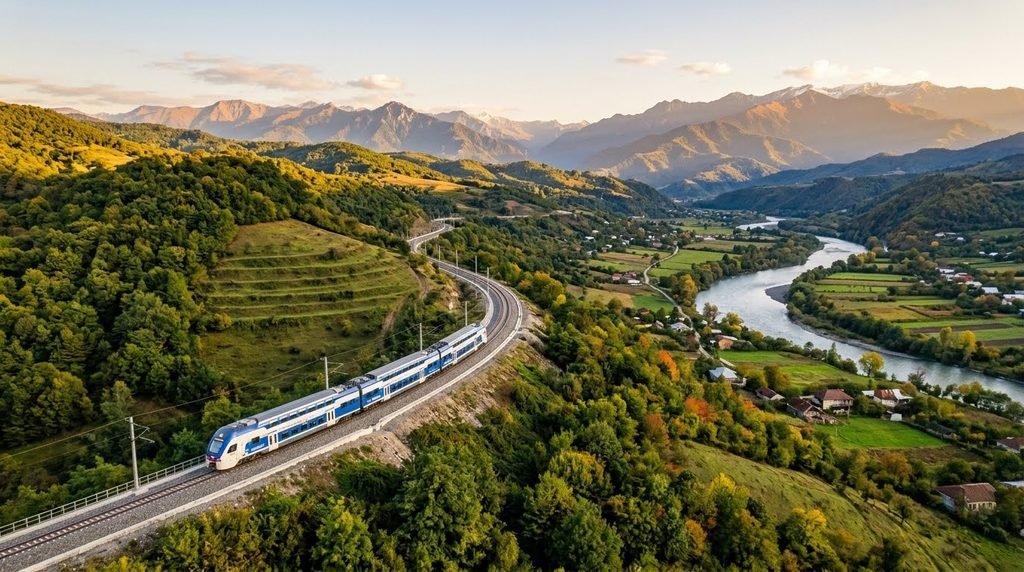
Trains are a comfortable way to travel between Georgia’s major cities. You can take a train from Tbilisi towards Batumi, Kutaisi, or Zugdidi without worrying about road traffic.
- Best For: Longer trips between major cities, especially Tbilisi to Batumi.
- Advantages: More comfortable than minibusses, with regular schedules and room for luggage.
- Disadvantages: Trains don’t reach many smaller towns or mountain areas. Some routes also take longer than traveling by road.
- Our Tip: Book tickets in advance through Georgian Railway, particularly during summer and holiday weekends.
Buses and Marshrutkas
Buses and marshrutkas are among the cheapest ways to get around Georgia. Marshrutkas are shared minibusses that connect Tbilisi with smaller towns and mountain destinations.
- City Transport: Tbilisi has a metro and public buses that make getting around fairly simple. You can use a MetroMoney card or other accepted contactless payment methods. Bolt is another useful option for short taxi rides.
- Marshrutkas: These minibusses travel to places like Kazbegi and many regional towns. They usually leave from bus stations such as Didube in Tbilisi. They’re affordable, but some services don’t follow strict departure times.
Our Tip: Carry some cash in Georgian lari, as smaller transport operators may not accept cards. Download offline maps before traveling into remote areas where mobile signals can be weak.
Rental Cars and Private Drivers
Renting a car gives you more freedom to explore Georgia, especially if you want to stop at viewpoints or visit places that public transport doesn’t reach.
- Rental Costs: You can rent a car in Tbilisi, Kutaisi, or Batumi. Expect to pay around $60–$100 per day depending on the car and season. Fuel and insurance usually cost extra. Most highways in Georgia are toll-free.
- Road Conditions: Driving between major cities is usually manageable, but mountain roads can be tricky. Routes towards Tusheti and remote parts of Svaneti may have rough surfaces or steep sections. Some require a 4×4, particularly when road conditions are poor.
- Driving Requirements: Check whether your driving license is accepted in Georgia and whether you need an International Driving Permit. Confirm this with the rental company before paying.
Our Tip: If you’re planning to visit Kakheti’s wineries or explore mountain roads, consider hiring a local driver. You can enjoy the scenery without worrying about unfamiliar roads or finding parking.
Where to Stay in Georgia?
The best place to stay in Georgia depends on which areas you plan to visit. For a short trip, Tbilisi is a good starting point, while Kazbegi and Sighnaghi are worth an overnight stay. If you have more time, consider Kutaisi, Mestia, or Batumi.
Tbilisi: Best for First-Time Visitors
Tbilisi is a good place to stay if you’re visiting Georgia for the first time. You’ll find plenty of hotels and restaurants, with easy transport connections to nearby attractions.
- Best Areas: Old Town, Sololaki, and Vera are good choices. You’ll be close to cafés and many popular attractions.
- Average Cost: Small hotels with breakfast usually cost around 126–140 GEL (48–$ 54) per night. Expect to pay more for larger or luxury hotels.
- Best For: First-time visitors who want to explore the city and take day trips to Mtskheta or Kakheti.
Stepantsminda (Kazbegi): Best for Mountain Views
Stepantsminda is a great place to stay if you want to wake up surrounded by the Caucasus Mountains. It’s also close to Gergeti Trinity Church and several hiking trails.
- Best Area: Stay in Stepantsminda or a nearby guesthouse with views of Mount Kazbek.
- Average Cost: Local guesthouses usually cost around 70–85 GEL per night. Luxury mountain hotels can cost 700 GEL or more.
- Best For: Travelers who enjoy hiking and want to spend more time in the mountains.
Sighnaghi: Best for Wine Country
Sighnaghi is a small hilltop town in Kakheti, known for its vineyards and views over the Alazani Valley. It’s a nice place to slow down for a night rather than rushing back to Tbilisi.
- Best Area: Choose a guesthouse near the town center or overlooking the Alazani Valley.
- Average Cost: Small guesthouses usually cost around 60–77 GEL per night, with some including breakfast.
- Best For: Couples and travelers who want to visit local wineries or enjoy a quieter stay.
Our Tip: If you’re following a 7-day Georgia itinerary, we’d suggest staying in Tbilisi for most nights and spending at least one night in Kazbegi. You can visit Kakheti on a day trip, but staying overnight in Sighnaghi gives you more time to explore.
Georgian Food and Cultural Experiences
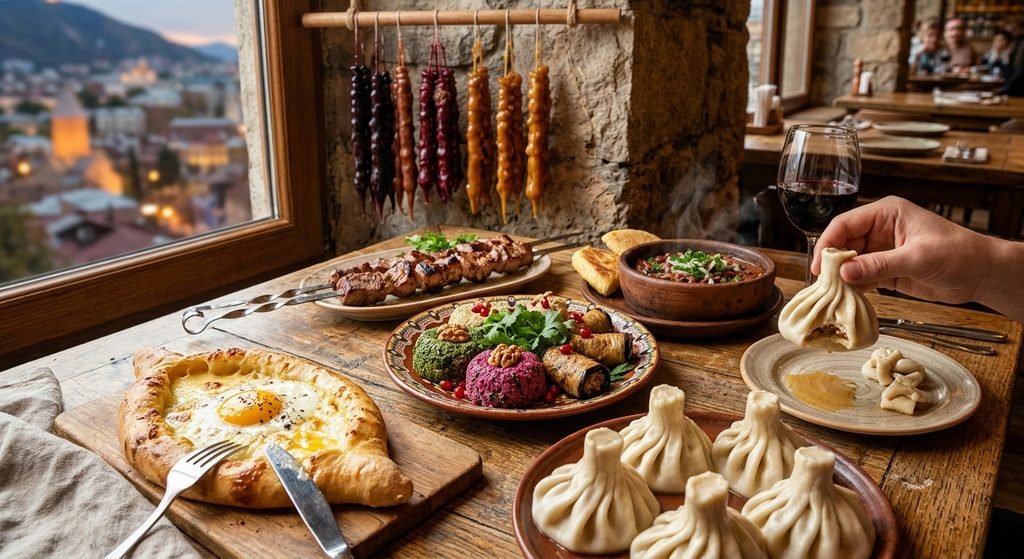
Georgian food is one of the best parts of visiting the country. You’ll find everything from cheese-filled bread to homemade dumplings, often served in generous portions. Food is also a big part of Georgian culture, especially when families and friends gather around the table.
- Khinkali: Large dumplings filled with meat and tasty broth. Hold one by the top, take a small bite, and drink the broth before eating the rest. Most locals leave the thick dough knot on the plate.
- Khachapuri: Georgian cheese bread, with different versions across the country. The Adjarian style looks like a boat and comes filled with melted cheese, butter, and an egg. Mix everything together before tearing off pieces of bread.
- Pkhali and Badrijani Nigvzit: For something lighter, try these vegetable dishes. Pkhali is made with vegetables and walnuts, while Badrijani Nigvzit is fried eggplant rolled around a garlic-and-walnut filling.
- Mtsvadi, Lobio and Churchkhela: Mtsvadi is grilled meat cooked on skewers, while lobio is a traditional bean dish. For something sweet, try churchkhela, a snack made from nuts covered in thickened grape juice. You’ll often see it hanging in local markets.
Wine and Local Food Traditions
Georgia has a long winemaking tradition, and Kakheti is one of the best places to experience it. You can visit small family wineries or join cooking activities to learn how to prepare traditional Georgian food.
- Traditional Qvevri Wine: Georgians have been making wine for thousands of years. One traditional method uses large clay pots called qvevri, which are buried in the ground. If you visit Kakheti, try local wines such as Saperavi or Rkatsiteli and ask how they’re made.
- Cooking Experiences: Some local families offer cooking classes where you can learn to fold khinkali or bake Georgian bread. You may also find cheese-making workshops in smaller villages. During harvest season, some wineries let visitors join the grape picking.
Cultural Experiences Worth Trying
Georgia’s culture goes well beyond its famous landmarks. Sharing a meal with locals or visiting an old bathhouse can give you a different view of everyday life.
- Traditional Georgian Supra: A supra is a Georgian feast where family and friends gather to enjoy food and share stories. One person, called the tamada, leads the toasts during the meal. It’s a lovely way to experience local hospitality and traditions.
- Tbilisi Sulfur Baths: The Abanotubani district is known for its historic sulfur baths. The warm mineral water makes them a popular place to relax after a day of walking. You can choose between shared baths and private rooms.
- Visiting Churches and Monasteries: Georgia has many beautiful churches, and some are still active places of worship. Dress modestly when visiting. Cover your shoulders and knees, and keep a scarf handy if you’re a woman, as some churches require head coverings.
Our Tip: Don’t limit yourself to restaurants in Tbilisi. Small guesthouses and family-run places in Kakheti or the mountains can be great spots to try homemade Georgian food.
Is Georgia Safe for Tourists?
Yes, Georgia is generally a safe country for tourists. Serious crime against visitors is uncommon, and locals are often friendly and welcoming. However, you still need to be careful on mountain roads and avoid certain border areas.
Crime and Personal Safety
Most tourist areas in Georgia are safe to explore, including popular parts of Tbilisi. Still, it’s worth taking a few basic precautions.
- Low Crime Rates: Violent crime and theft against tourists are relatively rare. You can usually walk around busy areas of Tbilisi without problems, but keep an eye on your belongings.
- Friendly Locals: Georgian people are known for their hospitality. Don’t be surprised if someone offers directions or recommends a local restaurant.
- Basic Safety Tips: Use trusted taxi apps like Bolt instead of accepting rides from strangers. Be careful with unexpected invitations to bars, and avoid political demonstrations, particularly around Rustaveli Avenue in Tbilisi.
Places to Avoid in Georgia
Some areas of Georgia are unsafe for tourists because of ongoing political and border disputes.
- Abkhazia and South Ossetia: Avoid traveling to these regions and areas near their borders. There are serious safety risks, and entering through certain routes can also cause legal problems.
- Road and Mountain Safety: Georgia’s mountain scenery is beautiful, but traveling through remote areas takes extra care. Roads can be difficult, and the weather doesn’t always cooperate.
- Driving Conditions: Some drivers can be aggressive, especially on busy roads. Mountain routes may have sharp turns and steep drops. If you’re not confident driving in these conditions, hiring a local driver is a safer choice.
- Mountain Weather: The weather can change quickly in places like Kazbegi and Svaneti. Check the forecast before hiking and avoid remote trails without proper equipment or a guide.
- Street Dogs: You’ll probably see stray dogs in Georgian towns. Many have yellow ear tags showing they’ve been registered and usually vaccinated, but that doesn’t guarantee they’re harmless. Give them space and avoid approaching unfamiliar dogs.
Our Tip: Georgia is generally easy to explore, but don’t underestimate mountain travel. Build in extra time in case bad weather or road closures delay your journey.
Mistakes We Made During Our Georgia Trip
We made a few mistakes during our Georgia trip that we could have avoided with better planning. The biggest one was trying to visit too many places without allowing enough travel time. Looking back, we’d do several things differently.
- Underestimating Travel Times: Some places looked close on Google Maps, but mountain roads took much longer than expected. Traffic and winding roads slowed us down. Next time, we’d leave extra time between destinations instead of planning everything too tightly.
- Rushing Our Mountain Trips: We didn’t give Kazbegi and Svaneti enough time. Traveling there takes hours, and the weather can change quickly. We’d recommend staying at least one night in Kazbegi and a few nights in Svaneti rather than trying to see everything in a day.
- Packing the Wrong Clothes: We expected similar weather throughout Georgia, but Tbilisi was warm while the mountains were much colder. Bringing a light jacket and comfortable walking shoes would have made things easier. A raincoat is also worth packing.
- Not Keeping Insurance Documents Offline: Georgia requires tourists to have health and accident insurance with at least 30,000 GEL in coverage in 2026. We’d recommend saving a copy on your phone and keeping a printed version in case you need to show it at the airport or border.
- Not Carrying Enough Cash: We used cards easily in Tbilisi, but some smaller shops and guesthouses preferred cash. Marshrutka drivers may also ask for cash payments. Keep some Georgian lari in small notes, especially when traveling outside major cities.
- Booking Popular Activities Too Late: We didn’t realize how quickly some mountain hotels and private sulfur bath rooms could fill up. If you’re traveling during summer or busy weekends, book the experiences you really want a little earlier.
- Forgetting Church Dress Codes: Some Georgian churches and monasteries have dress rules. Visitors are expected to cover their shoulders and knees, while women may also need a headscarf. Carrying a light scarf or extra layer in your bag can save you trouble.
What we learned: You don’t need to plan every hour of your Georgia trip. Leave some free time between activities, especially when traveling into the mountains. A slower route often gives you more time to enjoy the places you’ve come to see.
Frequently Asked Questions
Do I Need a Visa to Visit Georgia in 2026?
It depends on your nationality. Citizens of many countries, including the UK and USA, can visit Georgia visa-free for up to one year. Other travellers may need an e-visa or regular visa.
Is Travel Insurance Required for Georgia?
Yes. Since January 1, 2026, tourists must have health and accident insurance covering their entire stay, with at least 30,000 GEL in coverage.
How Many Days Are Enough to Visit Georgia?
Seven to ten days is ideal for a first trip. You’ll have enough time to explore Tbilisi, visit Kazbegi, and enjoy Kakheti without rushing.
What Is the Best Month to Visit Georgia?
September is one of the best months to visit Georgia. The weather is generally pleasant for sightseeing and mountain trips. May and June are also good choices.
Is Georgia Expensive for Tourists?
No, Georgia is fairly affordable. Budget travellers can expect to spend around 90–140 GEL per day on basic accommodation and everyday expenses, excluding international flights.
Can You Travel Around Georgia Without a Car?
Yes. Trains connect major cities, while marshrutkas reach many smaller towns. You can also use Bolt taxis or hire private drivers for mountain trips.
Is Georgia Safe for First-Time Visitors?
Yes, Georgia is generally safe for tourists. Take normal precautions in cities, avoid political protests, and be careful when traveling on mountain roads.
Is Tbilisi or Batumi Better for a First Trip?
Tbilisi is better for a first trip because it has more historic attractions and easy access to nearby destinations. Batumi is a good choice if you prefer beaches and coastal views.