


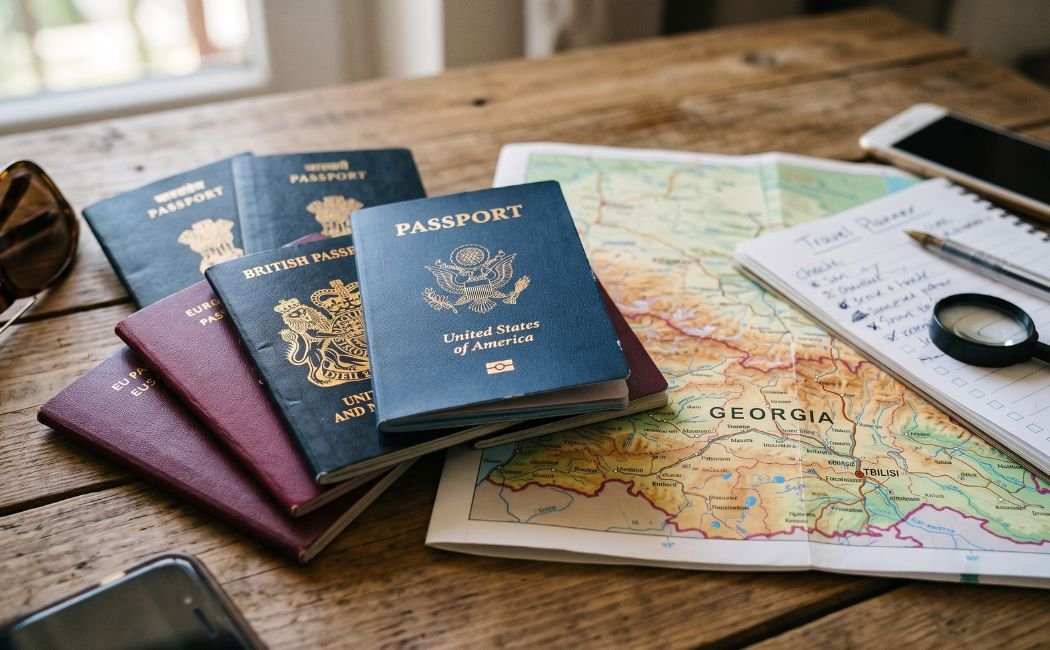
Getting to Georgia may be easier than you think. Georgia lies in the South Caucasus between Europe and Asia, with a coastline on the Black Sea. Some travelers fly directly into Tbilisi while others visit Georgia as part of a longer trip through Armenia or Turkey.
The tricky part is figuring out which entry rules apply to you. Your friend might be allowed to stay for a whole year without a visa, but you may need to apply before leaving home. Holding a foreign residence permit could also change your eligibility.
There’s another requirement to keep in mind. Since January 1, 2026, Georgia has required tourists to carry health and accident insurance worth at least 30,000 GEL with certain exemptions.
Before spending money on flights or hotels, find out whether you need a visa for Georgia and what documents you may be asked to show at the border. This guide walks you through the process, including visa costs and entry rules for different nationalities.
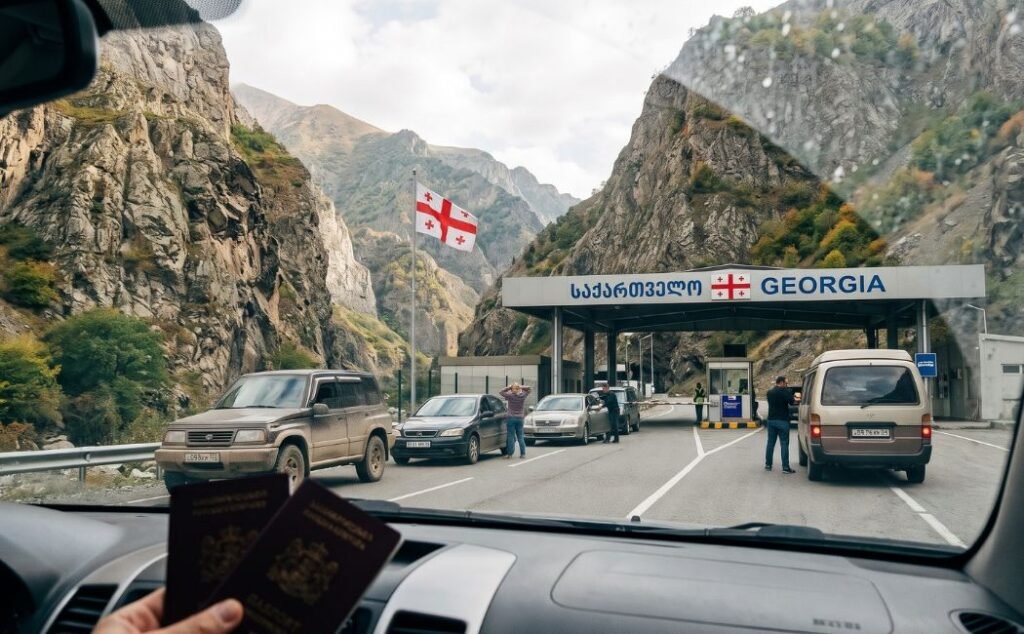
Who Needs a Visa to Enter Georgia?
Your passport is the starting point for checking whether you need a Georgian visa. Citizens of many countries, including the United States and the United Kingdom, can stay in Georgia for up to a year without applying for a visa. However, travelers from other countries may need to apply in advance. A valid foreign residence permit could also qualify you for visa-free entry.
Georgia has four main entry routes for international visitors:
1. Visa-Free Entry for Up to One Year
If your country appears on Georgia’s visa-free list, you can travel without applying for a visa or paying visa fees. This option is available to citizens of Australia and Canada, as well as many European and Asian countries.
You’ll need a valid passport and qualifying health and accident insurance unless exempt. Citizens of certain countries can also enter using a national identity card.
2. Entry With a Foreign Visa or Residence Permit
What if your passport does not qualify for visa-free travel? You might still be eligible to enter Georgia without applying for a Georgian visa.
The country recognizes visas and residence permits issued by designated countries, including the UK and the US. Eligible documents issued by Schengen and GCC countries may also qualify you for a stay of up to 90 days within a 180-day period.
Be careful with expiry dates, though. Additional validity requirements apply to certain nationalities traveling with GCC visas or residence permits.
3. Electronic Visa (eVisa)
An eVisa saves you a trip to the embassy. If your nationality qualifies, you can complete the application online and receive your visa electronically before departure.
Depending on your eligibility, the visa may allow a stay of 30 or 90 days. Check the permitted stay carefully, as it differs from your visa’s overall validity.
4. Embassy or Consular Visa
Not everyone qualifies for an eVisa. If you’re not eligible for an electronic visa and do not qualify for visa-free entry, you’ll need to apply through a Georgian diplomatic mission.
An ordinary C-category visa may suit short visits. For longer stays involving employment or education, you may need a D-category immigration visa. The application process and required documents depend on your reason for traveling to Georgia.
Which Countries Can Enter Georgia Without a Visa?
Georgia has a relatively flexible visa policy compared to many other travel destinations. If you hold a passport from an eligible country, you can stay for up to one full year without applying for a Georgian visa. This is particularly useful if you’re planning an extended holiday across the Caucasus region.
Countries Eligible for Visa-Free Entry for Up to One Year
Georgia’s visa exemption policy covers citizens from the following countries and regions:
- Europe: European Union member states, Iceland, Norway, Liechtenstein, Switzerland and the United Kingdom.
- North America: United States, Canada and Mexico.
- Oceania: Australia and New Zealand.
- Asia: Japan, South Korea and Kazakhstan, among other eligible countries.
- Middle East: Saudi Arabia, UAE, Qatar, Bahrain, Kuwait, Oman and Israel.
- Caucasus and neighboring countries: Armenia, Azerbaijan, Turkey and Russia.
- Eastern Europe: Ukraine, Belarus and Moldova.
Holders of qualifying travel documents from certain British overseas territories can also visit Georgia without a visa. Georgian Government Ordinance No. 255 and its subsequent amendments provide the main list of visa-exempt countries, which includes Kazakhstan.
What If Your Country Is Not on Georgia’s Visa-Free List?
You may still have another option. Georgia allows holders of qualifying visas or residence permits issued by designated countries to enter without obtaining a separate Georgian visa.
For example, an Indian passport holder with an eligible US visa may qualify for visa-free travel. Under this arrangement, visitors can stay for up to 90 days within a 180-day period.
However, the same conditions do not apply to everyone. Certain nationalities traveling with GCC visas or residence permits must meet additional validity requirements.
Does Visa-Free Entry Mean You Only Need a Passport?
Not necessarily. Since January 1, 2026, tourists entering Georgia must carry health and accident insurance with at least 30,000 GEL in coverage, unless they qualify for an exemption.
Border officials may also ask where you intend to stay or how you plan to cover your travel expenses. Keep these documents handy, even if you don’t need a visa.
Georgia Visa Requirements by Nationality
Planning a trip through the Caucasus often means crossing international borders. However, being allowed to enter Armenia or Azerbaijan does not automatically give you permission to visit Georgia. Each country has its own visa policy, and Georgia’s entry requirements depend largely on your nationality.
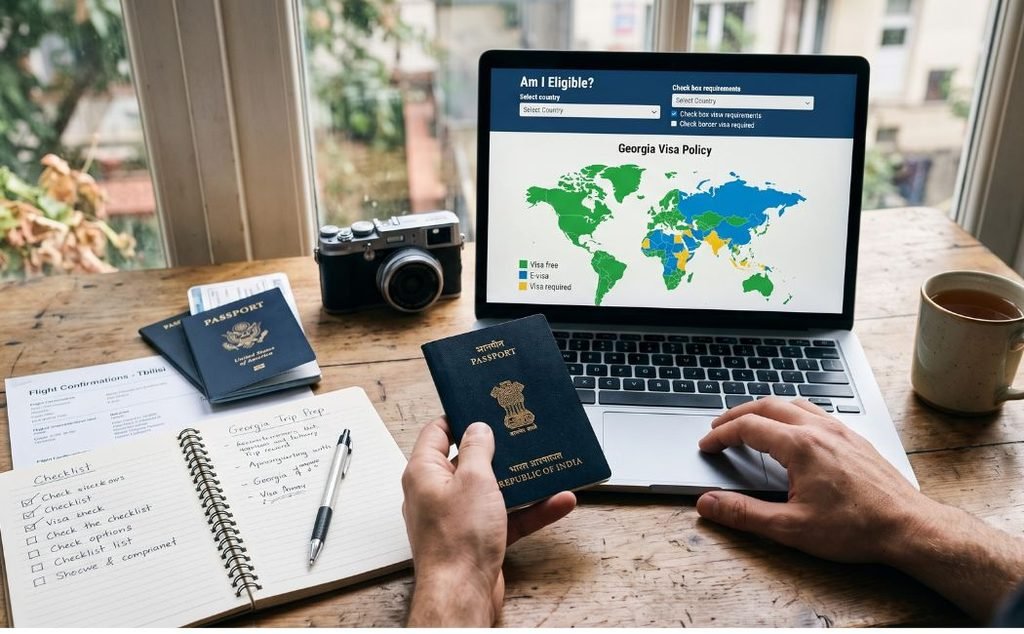
Visa Requirements for Armenian and Azerbaijani Citizens
Citizens of Armenia and Azerbaijan can enter Georgia without a visa for up to one year. This makes it easier for travelers from both neighboring countries to visit Georgia for holidays or family visits.
Since July 1, 2023, Armenian citizens can also enter Georgia using a valid biometric national identity card through authorized international border checkpoints.
Visa Requirements for Russian Citizens
Russian passport holders can visit Georgia without applying for a visa and stay for up to one year. However, travelers arriving by road must use an authorized border crossing.
Entering Georgia through Abkhazia or South Ossetia from Russia without Georgian government authorization is illegal and may result in criminal penalties.
Visa Requirements for Turkish Citizens
Although Turkey lies partly outside the Caucasus region, it shares a land border with Georgia and serves as a major gateway for regional travel.
Turkish citizens can stay in Georgia visa-free for up to one year. They can also enter using an eligible national identity card instead of a passport.
Visa Requirements for International Travelers Visiting the Caucasus
If you’re visiting Georgia as part of a wider Caucasus trip, check each country’s visa policy separately. A visa issued by Armenia or Azerbaijan does not automatically allow you to enter Georgia.
Depending on your nationality, you may qualify for visa-free entry or need to obtain a Georgian eVisa. Travelers who do not qualify for either option must apply through a Georgian embassy or consulate.
Entry Documents for Travelers Visiting Georgia
Even when traveling from a neighboring Caucasus country, you should have the appropriate documents ready:
- A valid passport or accepted national identity card.
- A Georgian visa, if required.
- Proof of accommodation.
- Evidence of sufficient financial funds.
- Return or onward travel details.
- Health and accident insurance with a minimum coverage of 30,000 GEL for tourists, unless exempt.
If you’re planning a road trip across the Caucasus, check border crossing availability before departure. Visa-free eligibility does not necessarily mean every land border is open to passenger traffic.
Can You Enter Georgia With a Foreign Visa or Residence Permit?
Yes. If your nationality normally requires a Georgian visa, holding a valid visa or residence permit from an approved country may save you from submitting a separate application. Under this exemption, eligible travelers can stay in Georgia for up to 90 days within a 180-day period.
This is particularly useful for international visitors planning a trip across the Caucasus.
Which Foreign Visas and Residence Permits Does Georgia Accept?
Georgia recognizes qualifying visas and residence permits issued by several countries, including:
- United States and United Kingdom
- European Union and Schengen countries
- Canada
- Australia and New Zealand
- Japan
- GCC countries, including the UAE and Saudi Arabia
What Conditions Must You Meet?
Your foreign visa or residence permit must generally be valid when you enter Georgia. However, stricter conditions apply to certain nationalities traveling with visas or residence permits issued by GCC countries.
Since May 16, 2025, citizens of 17 designated countries must have at least one year of remaining validity on their qualifying GCC multiple-entry visa or residence permit when entering Georgia under this exemption.
You’ll also need a valid passport. Check its expiry date against the requirements for your nationality before booking your trip.
Since January 1, 2026, tourists must carry health and accident insurance with at least 30,000 GEL in coverage for their entire stay, unless exempt.
Keep in mind that Georgia’s visa exemption does not automatically extend to Armenia or Azerbaijan. If you plan to visit multiple Caucasus countries, check each country’s entry requirements separately.
What Are the Entry Requirements for Georgia?
Before heading to Georgia, check whether your travel documents meet the country’s entry requirements. This is especially important if you’re crossing a land border during a longer trip through the Caucasus. Even travelers who qualify for visa-free entry must meet certain conditions.
Passport and National ID Card Requirements
Your passport must meet the validity requirements applicable to your nationality and visa category. Citizens of certain countries, including Turkey and EU member states, can travel with an accepted national identity card instead.
Check your passport expiry date well before departure to avoid problems at the airport or land border.
Valid Visa or Residence Permit
Not everyone needs a Georgian visa. Your nationality may qualify you for a visa-free stay of up to one year. Holding an eligible foreign visa or residence permit could also allow you to visit Georgia without a separate visa.
If neither exemption applies, arrange an eVisa or embassy-issued visa before traveling.
Mandatory Health and Accident Insurance
Since January 1, 2026, tourists entering Georgia must have health and accident insurance with at least 30,000 GEL in coverage, unless exempt.
The policy must cover your entire stay in Georgia. You can carry a printed copy or keep an electronic version on your phone.
Proof of Accommodation and Financial Means
Border officers may ask where you’re staying and how you intend to pay for your trip. Keep your hotel booking and recent financial records accessible. You may also be asked to show evidence of your return or onward journey.
Cash Declaration Requirements
Travelers carrying more than 30,000 GEL or its equivalent in foreign currency must declare it when entering or leaving Georgia.
Vehicle Documents for Land Border Crossings
Driving into Georgia from Armenia or Turkey? You’ll need a valid driving license and vehicle registration documents. Foreign-registered vehicles must also have third-party liability insurance valid in Georgia.
Restrictions on Carrying Medication
Georgia has strict rules regarding certain prescription medicines, particularly those containing codeine or controlled substances. Check whether your medication requires additional medical documentation before packing it. Keep medicines in their original packaging and carry the required prescription.
Is Travel Insurance Mandatory for Georgia?
Yes, travel insurance became a legal entry requirement for tourists visiting Georgia on January 1, 2026. Under Georgia’s Law on Tourism, foreign tourists must have valid health and accident insurance, even if they qualify for visa-free entry.
Planning to visit several countries across the Caucasus? Check whether your existing insurance policy covers Georgia and meets its minimum coverage requirements. Having international travel insurance alone may not be enough.
Georgia Travel Insurance Requirements
Your insurance policy must meet the following conditions:
- Minimum coverage: At least 30,000 GEL.
- Policy duration: Coverage must include your arrival and departure dates.
- Language: The policy must be in English or Georgian.
- Document format: Both printed and electronic copies are accepted.
- Insurance provider: You can purchase coverage from a Georgian or foreign insurance company.
- Children: The requirement also applies to children visiting Georgia as tourists.
Who Is Exempt From Georgia’s Travel Insurance Requirement?
Georgia’s mandatory insurance rule applies to incoming tourists, not everyone crossing the border. Georgian citizens are not subject to this requirement.
Exemptions also apply to holders of diplomatic or special visas and specified official passports. Accredited diplomatic personnel and qualifying international transport drivers are also exempt. Certain travelers covered by Georgia’s international agreements may qualify for an exemption.
If you hold a Georgian residence permit or have another immigration status, check whether the tourist insurance requirement applies to your circumstances.
Can You Use the Same Travel Insurance Across the Caucasus?
You can use a single travel insurance policy for a trip through Georgia and other Caucasus countries, provided your insurer covers each destination.
Read the policy carefully before leaving home. Make sure Georgia is included and that the coverage meets its legal requirements. Keep an offline copy on your phone, particularly if you’re crossing a land border where internet access may be unreliable.
What Types of Visas Does Georgia Offer?
The right Georgian visa depends on what you intend to do in the country. A short holiday in the Caucasus requires different permissions than moving to Georgia for employment or university studies. Georgia offers five main visa categories.
1. Ordinary Visa (Category C)
An ordinary visa suits short visits. You can apply for this category if you’re visiting Georgia for tourism, attending a business meeting or spending time with relatives.
Depending on the visa issued, you may stay for up to 90 days within a 180-day period.
2. Immigration Visa (Category D)
If you’re planning to move to Georgia rather than simply visit, an immigration visa may be more appropriate. Georgia divides this category into several subcategories based on the purpose of your stay.
| Visa category | Purpose |
| D1 | Employment and entrepreneurial activities |
| D2 | Professional, scientific or cultural activities |
| D3 | Higher education and student exchange programs |
| D4 | Family reunification |
| D5 | Ownership of qualifying real estate in Georgia |
| D6 | Education for minors and eligible accompanying family members |
Additional requirements apply to each category. For example, foreign nationals seeking employment may need to obtain work authorization before applying for a D1 visa.
3. Diplomatic Visa (Category A)
Georgia issues diplomatic visas to eligible foreign government officials and diplomatic personnel. Qualifying family members may also receive this visa type.
4. Special Visa (Category B)
Special visas are intended for members of official foreign delegations and eligible embassy personnel. They may also be issued to individuals traveling to Georgia on authorized government missions.
5. Transit Visa (Category T)
Georgia’s location makes it a connecting point for journeys across the Caucasus. If you’re passing through the country on your way to another destination, you may need a transit visa.
This visa allows eligible travelers to transit through Georgia for up to 10 days while traveling to a third country.
Do You Always Need a Georgian Visa?
No. Citizens of eligible countries can travel to Georgia without a visa for up to one year. Other travelers may qualify through a recognized foreign visa or residence permit.
An eVisa is another option for eligible short-term visitors. You can apply online without visiting a Georgian embassy.
How to Apply for a Georgia eVisa Online?
If your nationality qualifies for an eVisa, you don’t need to visit a Georgian embassy. You can complete the entire application online through Georgia’s official eVisa portal. You must apply before arriving in the country.
The process is relatively straightforward, but some verification steps have strict deadlines. Keep your documents ready before starting.
Step-by-Step Georgia eVisa Application Process
Step 1: Check Your Eligibility
Visit the official Georgia eVisa portal and select your nationality. Enter your passport type and reason for visiting Georgia to find out whether you qualify.
Step 2: Complete the Application Form
Provide your personal information and intended travel dates. Double-check your passport number and name before proceeding. Even a minor typing mistake could cause problems with your application.
Step 3: Verify Your Email Address
Once you submit the initial details, check your inbox for a verification email. You generally have one hour to confirm your email address.
Step 4: Pay the Visa Application Fee
The standard Georgian eVisa fee is $20, plus a 2% service charge. Complete the payment within five hours of receiving the payment notification.
Step 5: Complete Additional Verification
Complete the DuVerify application within 24 hours of receiving the verification link by email where this step applies to your application. The additional verification fee is $15 per applicant.
Step 6: Submit the Required Documents
Upload the documents the eVisa portal requests for your nationality. These may include a passport scan and a recent passport-style photograph. Certain applicants must also provide additional supporting documents.
Keep the following documents ready for your application and border checks:
- A valid passport.
- A recent passport-style photograph.
- Proof of accommodation in Georgia.
- Return or onward travel details.
- Valid health and accident insurance.
- Evidence of sufficient financial funds.
Your passport must remain valid for at least three months beyond the requested visa’s validity period. It must also meet the applicable visa application requirements, including the required blank pages.
Step 7: Receive Your Georgia eVisa
The official Georgia eVisa portal advises applicants to allow at least five working days for a decision. Complete all required verification steps and allow extra time in case of delays.
Once approved, download your eVisa and print a copy to carry with your passport.
When Should You Apply for a Georgia eVisa?
Ideally, submit your application two to three weeks before your intended departure. This gives you extra time to resolve document issues or unexpected processing delays.
If Georgia is one stop on your Caucasus itinerary, apply for your visa before you begin your journey. Don’t assume that entering Armenia or Azerbaijan first will make you eligible to enter Georgia. Each country has separate immigration requirements.
How to Apply for a Georgia Visa Through an Embassy?
If you cannot get an eVisa or intend to move to Georgia for work or study, you may need to apply through a Georgian embassy. The process begins on the GeoConsul portal rather than the standard eVisa website.
Unlike an eVisa application, you may need to attend an appointment in person.
Step-by-Step Georgia Embassy Visa Application Process
Step 1: Complete the Online Application
Visit the official GeoConsul portal and select the visa category that matches your travel purpose. Choose an ordinary C-category visa for eligible short-term visits or a D-category visa for immigration purposes.
Step 2: Prepare Your Supporting Documents
The paperwork varies by visa category. You may need the following documents:
- A valid passport with at least two blank pages.
- A printed and signed visa application form.
- A recent passport-sized photograph.
- Proof of accommodation in Georgia.
- Recent bank statements showing sufficient funds.
- Valid health and accident insurance.
- Return or onward travel reservations, where applicable.
- Proof of travel purpose.
- Receipt of the visa application fee.
Depending on why you’re visiting Georgia, you may also need an invitation letter or an employment contract. Students may need to provide an enrollment letter from their educational institution.
Step 3: Submit Your Application
Schedule an appointment with the Georgian embassy or consulate responsible for your area. Some countries also have authorized visa application centers, such as VFS Global.
The consular officer may request additional documents or ask you to attend an interview.
Step 4: Wait for a Decision
Short-term Georgian visa applications submitted through a diplomatic mission generally have a decision period of 10 calendar days. This period may be extended by another 30 calendar days if further examination is required.
Most D-category immigration visa applications have a 30-calendar-day decision period. D5 immigration visa applications have a shorter decision period of 10 calendar days.
Avoid purchasing non-refundable tickets until you receive a decision. If Georgia is part of a longer Caucasus trip, leave enough time for the application before arranging travel to neighboring countries.
Can You Get a Georgia Visa on Arrival?
No, Georgia does not offer a general visa-on-arrival facility for tourists. Although Georgian law allows visas to be issued at the border in exceptional circumstances, travelers who require a regular tourist visa should obtain one before departure.
Arriving at Tbilisi Airport or a land border without the necessary approval could result in refusal of entry.
People often confuse visa-free entry with a visa on arrival. These are two different arrangements.
Depending on your nationality, you have the following entry options:
- Visa-free entry: Citizens of eligible countries, including the US and UK, can enter Georgia without a visa for up to one year.
- Electronic visa: Eligible travelers can apply online and receive their eVisa before departure.
- Embassy-issued visa: Travelers who do not qualify for an eVisa must apply through a Georgian diplomatic mission unless another exemption applies.
- Foreign visa or residence permit: Holders of qualifying documents from approved countries may enter Georgia without obtaining a separate visa.
If you’re traveling across the Caucasus, sort out your Georgian visa before starting your journey. Don’t expect to obtain one when crossing the border from Armenia or another neighboring country.
Remember that visa-free travelers must also meet the applicable passport requirements and carry mandatory health and accident insurance with a minimum coverage of 30,000 GEL unless exempt.
How Long Can You Stay in Georgia?
You can stay in Georgia for up to one year without a visa if you hold a passport from an eligible country, such as the US or UK. However, not everyone gets the same amount of time. Your permitted stay depends on your nationality and how you enter Georgia.
Understanding Georgia’s One-Year Visa-Free Stay
The one-year allowance begins on the date you enter Georgia rather than the beginning of the calendar year. This gives eligible travelers considerable flexibility when planning an extended stay in the Caucasus.
Other visitors may qualify for shorter stays, such as 90 days within a 180-day period. If you’re traveling on an eVisa, check the permitted stay printed on your visa.
Can You Leave Georgia and Return for Another Year?
Some long-term visitors travel to Armenia or Turkey before returning to Georgia, hoping to qualify for another visa-free stay. This practice is commonly known as a visa run.
However, leaving Georgia does not guarantee another year of legal stay. Border officials assess your eligibility each time you enter. Travelers subject to the 90/180-day rule cannot reset their allowance simply by crossing the border.
What Happens If You Stay in Georgia for 183 Days or More?
An extended holiday could affect your tax obligations. Under Article 34 of Georgia’s Tax Code, individuals who spend at least 183 days in Georgia within a continuous 12-calendar-month period ending in the relevant tax year generally become Georgian tax residents for that entire tax year.
Tax residency and immigration status are separate matters. Becoming a tax resident does not automatically grant permission to live or work in Georgia indefinitely.
What If You Want to Stay Longer?
If you’re considering a long-term move to Georgia, look into the appropriate immigration visa or residence permit before your permitted stay expires.
You may also need separate work authorization if you intend to take up employment. Being allowed to stay in Georgia without a visa does not automatically give you the right to work there.
Georgia Entry Requirements by Mode of Travel
Whether you’re flying into Tbilisi or driving across the Caucasus, Georgia’s basic immigration rules remain the same. You’ll need an accepted travel document and a visa if your nationality requires one. Tourists must also carry qualifying health and accident insurance unless exempt.
However, your choice of transport determines what additional paperwork you may need and what to expect at the border.
Entering Georgia by Air
Tbilisi, Kutaisi and Batumi are Georgia’s main international airports. Your airline may check your visa eligibility before allowing you to board.
After landing, you’ll pass through passport control. Immigration officers may ask about your accommodation or request proof that you have enough money for your visit. Keep your onward travel details accessible rather than packing them in your checked luggage.
Entering Georgia by Land
A road trip through the Caucasus requires a little more preparation. Georgia shares land borders with Armenia, Azerbaijan, Turkey, and Russia, but crossing conditions vary by route.
Passenger travel across the Georgia–Azerbaijan land border remains restricted. Check the latest border regulations before planning an overland journey between these countries.
If you’re entering Georgia in a private vehicle, prepare the following documents:
- Valid driving license.
- Vehicle registration documents.
- Proof of vehicle ownership or authorization from the owner, if applicable.
- Third-party motor insurance valid in Georgia.
The Upper Lars crossing between Georgia and Russia can experience lengthy delays and temporary closures due to mountain weather conditions. Check border availability before setting off.
Avoid entering Georgia from Russia through Abkhazia or South Ossetia. Unauthorized entry through these territories is illegal under Georgian law.
Entering Georgia by Sea
Travelers arriving through the Black Sea may enter Georgia through authorized seaports such as Batumi or Poti. Passengers must complete immigration and customs checks at the designated maritime border checkpoint.
Contact your ferry or cruise operator before departure to confirm passenger services and any additional documentation requirements.
Transiting Through Georgia
If Georgia is a stop on your journey to another Caucasus country, check whether you need a transit visa. Airport transfers that require you to collect your luggage or leave the international transit area may also require immigration clearance.
Remember that permission to enter Georgia does not automatically allow you to cross into Armenia or Azerbaijan. Check the entry rules and border availability for your next destination separately.
Why Can You Be Refused Entry to Georgia?
An approved visa does not guarantee entry to Georgia. Under Article 11 of the Law on the Legal Status of Aliens and Stateless Persons, border officials have the authority to refuse admission even if you qualify for visa-free travel.
This applies whether you arrive at an international airport or cross a land border during your Caucasus trip.
Common Reasons for Entry Refusal in Georgia
- Missing or invalid documents: An expired passport, invalid visa or lack of mandatory health and accident insurance could prevent you from entering Georgia.
- Unclear purpose of travel: Immigration officers may refuse entry if your explanation does not match your supporting documents or travel plans.
- Insufficient funds: You may need to demonstrate that you can afford your stay and pay for your return journey.
- Previous immigration violations: Overstaying during an earlier visit or having unpaid immigration fines may affect your chances of re-entry.
- False information: Providing inaccurate details on your visa application or presenting fraudulent documents can lead to refusal.
- Security concerns: Georgian authorities may deny entry for reasons related to national security or public order.
- Foreign policy restrictions: Entry may be restricted in certain circumstances based on Georgia’s foreign policy.
- Suspected unlawful stay: Officers may refuse admission if they have grounds to believe you intend to remain in Georgia illegally.
What Should You Do If You Are Denied Entry?
Stay calm and ask the immigration officer for the reason behind the refusal. Request a written decision and keep copies of any documents you receive.
Under Georgia’s Law on the Legal Status of Aliens and Stateless Persons, you can generally appeal an entry refusal decision to a higher administrative authority within 10 calendar days of receiving the decision.
You can also contact your country’s embassy for consular assistance or consult a Georgian immigration lawyer about your appeal options. Filing an appeal does not guarantee admission to Georgia.
If you’re visiting multiple countries across the Caucasus, avoid assuming that entering one country successfully guarantees admission to the next. Each country conducts its own immigration checks.
Special Entry Requirements for Georgia
A valid visa or visa exemption covers only part of your journey. Georgia also has rules regarding travel insurance, currency declarations and access to certain territories. If you’re exploring the Caucasus by road, pay close attention to border-crossing restrictions.
Travel Insurance Requirements
Since January 1, 2026, tourists must carry health and accident insurance with at least 30,000 GEL in coverage, unless exempt. Make sure your policy remains valid throughout your visit.
Passport and Travel Document Requirements
Check your passport’s expiry date before traveling. The validity requirements depend on your nationality and visa category. If you’re visiting several Caucasus countries, make sure your passport meets each destination’s entry requirements.
Visa-Free Stay Restrictions
Eligible foreign nationals can remain in Georgia without a visa for up to one year. However, this allowance applies to Georgia alone. Armenia and Azerbaijan have separate visa policies and permitted stay limits.
Customs and Currency Declarations
There is no need to avoid carrying large amounts of money, but you must declare cash exceeding 30,000 GEL or its equivalent in foreign currency when entering or leaving Georgia.
Entry Restrictions for Abkhazia and South Ossetia
Not every route into Georgia is legally accessible. Entering through Abkhazia or South Ossetia from the Russian side without authorization from the Georgian government violates Georgian law. Offenders may face fines or imprisonment.
If you’re planning an overland journey through the Caucasus, use authorized border crossings and check their operating status before departure.
Can You Extend Your Stay in Georgia?
Generally, you cannot extend a standard tourist visa or visa-free stay in Georgia. If your permitted stay is coming to an end, you must either leave the country or obtain another legal basis to remain.
Fortunately, eligible travelers who want to stay longer have a few options.
Leaving and Re-entering Georgia
Some travelers cross into Armenia or Turkey before returning to Georgia for a new visa-free stay. However, a fresh stay allowance is not guaranteed. Border officers can question frequent border crossings and refuse re-entry.
Applying for a Georgian Residence Permit
If you plan to settle in Georgia, a residence permit may be a more suitable option. You could qualify through employment or education. Ownership of qualifying real estate may also provide a route to residency.
Residence permit applications generally need to be submitted to the State Services Development Agency at least 40 calendar days before your authorized stay expires. You can access these services through the Public Service Hall.
Check whether your current immigration status and residence permit category allow you to apply from within Georgia.
What Happens If You Overstay in Georgia?
Remaining in Georgia beyond your permitted stay can result in financial penalties and possible restrictions on future visits.
Check your departure deadline before arranging further travel across the Caucasus. Even a short overstay could complicate your plans to return to Georgia.
Common Mistakes to Avoid When Traveling to Georgia
Traveling around Georgia requires some preparation, especially if you’re visiting for the first time. A few wrong assumptions about transport or local customs can make your trip more expensive and stressful than necessary.
- Assuming one visa covers the Caucasus: Georgia, Armenia and Azerbaijan have separate immigration policies. Check the entry requirements for each country before planning a cross-border trip.
- Forgetting mandatory travel insurance: Make sure your policy meets Georgia’s minimum coverage requirement of 30,000 GEL and remains valid throughout your stay.
- Exchanging all your money at the airport: Airport exchange rates may be less favorable than those offered by exchange offices in the city. Compare rates before converting large amounts.
- Relying entirely on card payments: Cards are widely accepted in Tbilisi, but carry some Georgian Lari when visiting mountain villages or local markets.
- Underestimating mountain driving conditions: Roads in regions such as Kazbegi and Svaneti can be challenging. Check weather conditions and choose a suitable rental vehicle.
- Trying to explore too much in a short trip: Georgia looks small on a map, but mountain roads can significantly increase travel times. Give yourself enough time to explore each region.
- Ignoring religious dress codes: Dress modestly when visiting Georgian churches and monasteries. Some religious sites require women to cover their heads and men to wear long trousers.
- Using unofficial taxis without agreeing on a fare: Confirm the price before getting into a taxi or use a ride-booking app with upfront pricing.
- Overlooking restricted border regions: Avoid unauthorized crossings through Abkhazia and South Ossetia, as these may violate Georgian law.
- Leaving your immigration documents behind: Keep offline copies of your visa, insurance policy and accommodation confirmation. Internet access can be unreliable in remote parts of the Caucasus.